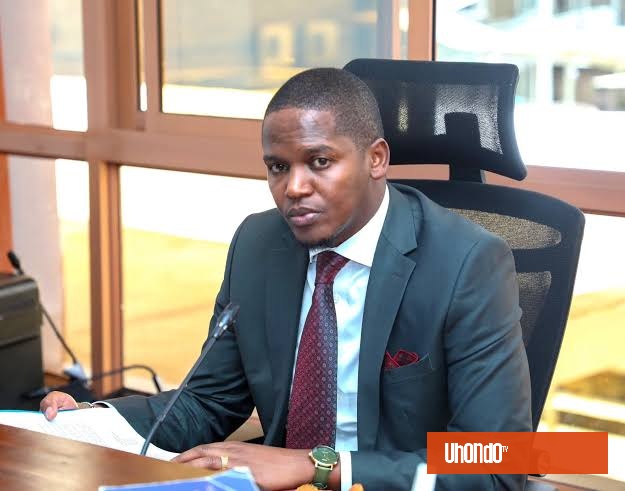
Senator Allan Chesang has demanded a formal investigation into escalating ethnic tensions in Trans Nzoia County, saying Governor George Natembeya’s recent statements are inciting young people to launch online attacks against rival leaders.
Chesang told reporters that the governor, speaking at a county development forum in Kitale on November 19, urged youths to "defend their community" and implied they should "use social media to expose corrupt leaders," a message he says has heightened inter‑ethnic hostility.
According to a press release from the senator’s office, the governor’s remarks were made during a rally attended by local officials and community leaders, and police have recorded a surge in complaints of online harassment linked to supporters of the governor’s party.
Trans Nzoia has a long‑standing history of ethnic competition over land and political representation, with the Luhya, Kalenjin and other groups often vying for influence. Local NGOs have warned that hate speech on social media has risen sharply since the 2022 elections, and the county’s youth are increasingly active in political campaigning.
Governor George Natembeya, elected in 2022 on a platform of unity and development, has previously called for peace among the county’s diverse communities. However, opposition figures, including Senator Chesang, have accused him of favouring his own ethnic constituency and of using inflammatory language to consolidate support.
In response, Chesang urged the National Cohesion and Integration Commission (NCIC) to launch an inquiry and recommended that the Ministry of Interior consider deploying peace officers to monitor online activity. He also called on civil‑society organisations to facilitate dialogue between youth groups from different ethnic backgrounds.
The senator’s appeal arrives as the national government prepares to introduce a new digital harassment law next month, which could provide legal mechanisms to curb online hate speech. Analysts note that the outcome of any investigation will test Kenya’s institutional capacity to manage ethnic tensions ahead of the 2027 general elections.
If the probe proceeds, officials say it will examine the governor’s public statements, the role of social‑media platforms in amplifying ethnic rhetoric, and the extent to which political actors are mobilising young supporters for online intimidation. The investigation could also influence how the upcoming legislation is enforced in regions prone to ethnic conflict.