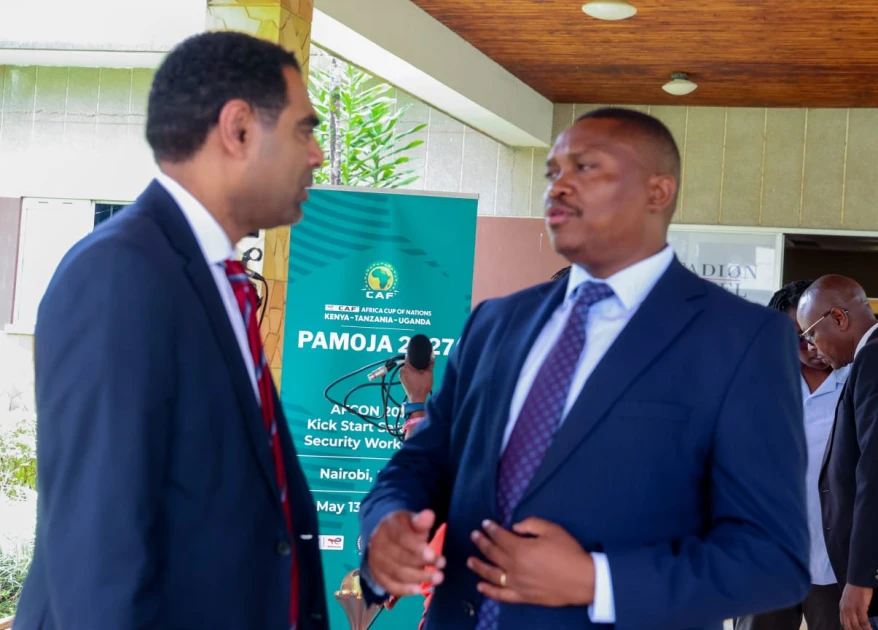
Kenya's Football Federation (FKF) reaffirmed its commitment to the PAMOJA partnership for the 2027 Africa Cup of Nations (AFCON) during a CAF and Local Organising Committee security workshop held in Nairobi on Wednesday, signalling that the nation’s preparations remain on track ahead of the tournament.
Sports Principal Secretary Elijah Mwangi told participants that the spirit of PAMOJA is driving coordinated action across government ministries, private partners and the football federation. He reported that three of the six designated stadiums have completed structural upgrades, two are in the final phase of construction, and the remaining venue is slated for completion by mid‑2027. Mwangi also announced the formation of a joint task force responsible for security protocols, crowd management and transport logistics, all aligned with CAF’s operational guidelines.
According to FKF President Hussein Mohammed, the federation is fully aligned with CAF’s standards and will ensure that Kenya meets every infrastructural and operational requirement for the tournament. Mohammed emphasized that the federation’s budget allocations for stadium refurbishment, training facilities and fan experience have been approved by the Ministry of Sports and are being monitored through quarterly progress reports.
Kenya secured co‑hosting rights for AFCON 2027 in 2023, joining neighboring nations under the PAMOJA (meaning "together" in Swahili) concept that emphasizes regional cooperation and shared resources. The 2027 edition will be the first major continental tournament hosted jointly by East African countries, a move intended to boost tourism, create jobs and showcase the region’s sporting infrastructure. Since the award, the government has invested in road upgrades, airport expansions and hospitality projects to accommodate the influx of teams and supporters.
The workshop, convened by CAF and the LOC, focused on security risk assessments, emergency response planning and the integration of technology for crowd monitoring. Participants reviewed the draft security manual, which outlines protocols for stadium entry screening, cyber‑security measures for ticketing platforms and coordination with the Kenya Police Service. Mwangi indicated that a series of simulation drills will commence in the coming months to test the readiness of security personnel and emergency services.
Looking ahead, the FKF and the Ministry of Sports will present a mid‑year progress report to CAF’s Executive Committee in early 2027. The report will detail the status of stadium works, accommodation capacity, and the implementation of the security framework. Successful completion of these milestones is expected to solidify Kenya’s reputation as a reliable host and to ensure a seamless tournament experience for players, officials and fans alike.