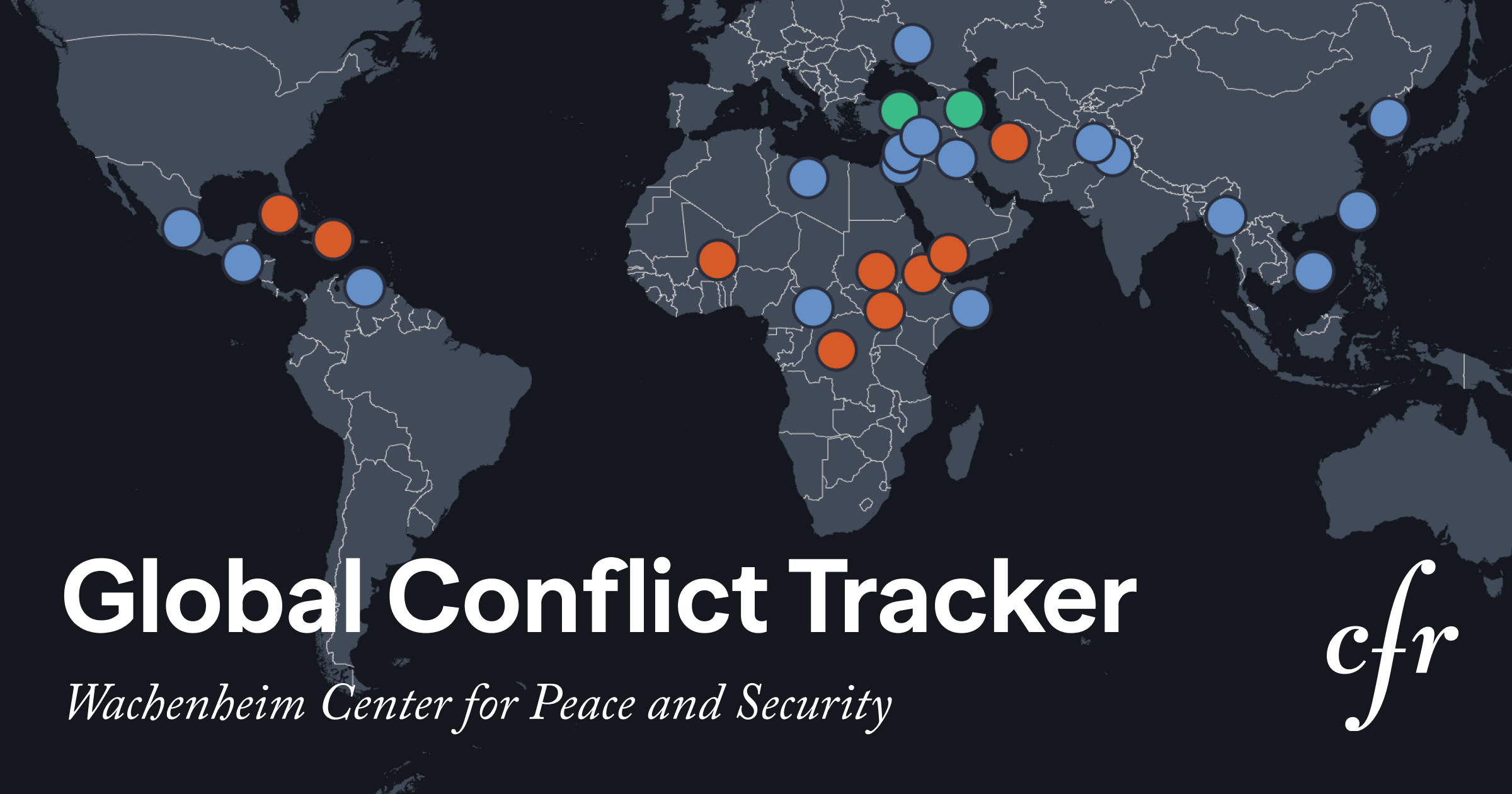
The latest update from the Armed Conflicts global tracker, released on November 12, 2026, highlights the persistent volatility across the African continent and the Middle East. With 29 theaters currently under surveillance, the report underscores the high-intensity nature of ongoing crises in Sudan, Somalia, Ethiopia, and the eastern Democratic Republic of Congo. These regions remain at the center of international security concerns as humanitarian and political conditions continue to deteriorate.
In Sudan, the civil war remains classified as a high-intensity conflict, with the tracker noting the ongoing genocide findings and the strategic struggle for control over key infrastructure. Similarly, the conflict in Somalia and the regional instability in Ethiopia are marked as high-intensity, reflecting the complex interplay of local insurgencies and broader geopolitical interests. The eastern DR Congo also remains a critical area of concern, with persistent violence impacting civilian populations and regional stability.
Beyond the African continent, the tracker monitors the escalating tensions in the Middle East, including the Lebanon-Israel conflict and the ongoing war in Yemen. These theaters are categorized as high-intensity, with significant implications for global security and diplomatic relations. The data is synthesized from multiple international sources, including the Uppsala Conflict Data Program (UCDP) and the Armed Conflict Location & Event Data Project (ACLED).
As of the latest update, the tracker serves as a vital tool for analysts and policymakers to monitor the shifting dynamics of these conflicts. The inclusion of these theaters in the live tracker emphasizes the interconnected nature of modern warfare, where local disputes often draw in regional and international actors. The report provides a sobering look at the state of global peace and the challenges facing international intervention efforts.
Looking ahead, the tracker will continue to provide real-time updates as the situation in these regions evolves. The international community remains focused on the potential for further escalation, particularly in areas where diplomatic efforts have yet to yield sustainable peace agreements. The ongoing monitoring of these 29 theaters is essential for understanding the broader implications of these conflicts on global stability and humanitarian security.