Didier Drogba, the former Ivorian striker, announced on Monday that he will prioritize funding schools and hospitals over establishing new football academies across Africa, a stance that could reshape charitable investments by sports personalities on the continent.
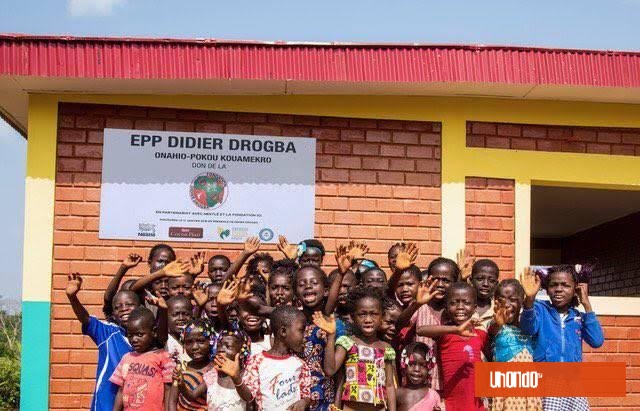
In a televised interview, Drogba explained that while football can inspire youth, sustainable development requires access to education and healthcare; he cited his own foundation's recent completion of a primary school in Abidjan and a maternity clinic in Ghana as proof of concept.
According to Drogba, the cost of building a modest school or clinic is comparable to that of a small football academy, yet the long‑term societal benefits are broader, reaching families beyond aspiring athletes.
The statement aligns with Drogba's growing reputation as a pan‑African advocate; he has previously used his platform to campaign for peace during Ivory Coast's civil conflict and to support vaccination drives, and his latest focus signals a shift toward addressing structural deficits in public services.
Experts from the African Development Bank noted that private sector contributions to education and health have risen, but they welcomed Drogba's pledge as a high‑profile endorsement that could encourage other former athletes to allocate resources similarly.
Critics, however, warned that football academies have historically provided pathways out of poverty for many youths; they urged a balanced approach that does not abandon sports development while expanding social infrastructure.
Drogba's foundation plans to launch a fundraising campaign later this year targeting diaspora donors, with the goal of constructing three additional schools and two health centres in West Africa, according to the organization’s spokesperson.
Observers said the move could influence policy discussions on corporate social responsibility in the region, as governments seek partnerships to meet Sustainable Development Goal targets. The football legend concluded by urging fellow athletes to consider the broader impact of their charitable choices, emphasizing that “the future of Africa depends on healthy, educated citizens, not just on the next generation of football stars,” as reported in the interview.
The initiative is set to commence in early 2027, with construction slated to begin after the fundraising round, signaling a concrete timeline for the promised projects.