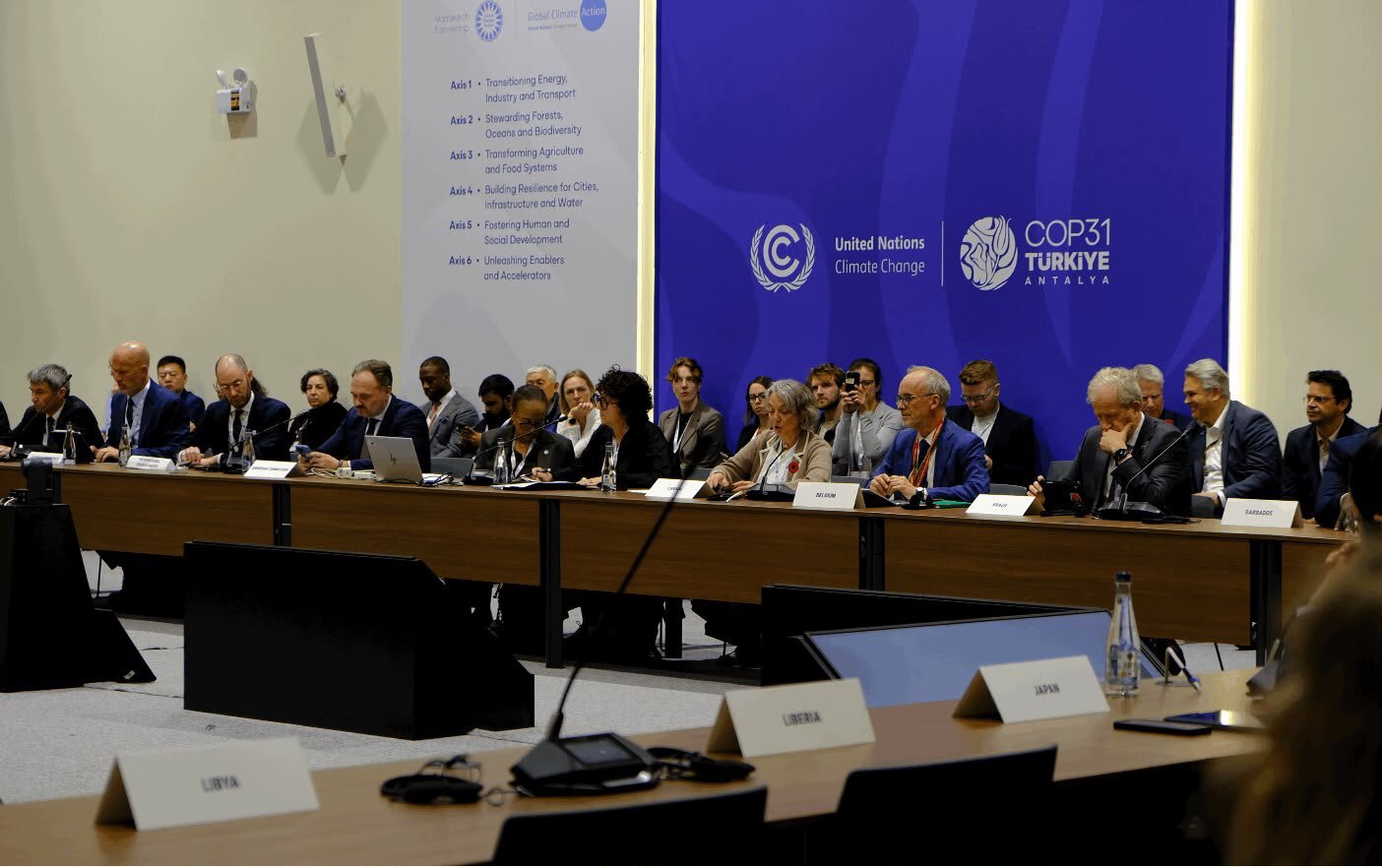
A high-level summit held on the sidelines of the 31st United Nations Climate Change Conference (COP31) in Antalya, Türkiye, has resulted in a significant financial boost for global climate action. Leaders and philanthropic organizations announced more than $480 million in new commitments dedicated to curbing methane and other powerful greenhouse gases. This funding is intended to accelerate reduction plans across critical sectors, including energy, agriculture, and waste management, while also addressing black carbon and clean cooking initiatives.
The summit, co-hosted by China, Britain, and Brazil, also unveiled a $25 million boost for the Climate and Clean Air Coalition's Super Pollutant Country Action Accelerator. This initiative is designed to assist nations in implementing rapid reduction strategies. According to a statement released on the COP31 website, these new pledges bring the total philanthropic funding for these efforts to over $1 billion, building upon more than $530 million delivered since the Global Methane Pledge was launched in 2021.
UN Climate Change Executive Secretary Simon Stiell emphasized the urgency of the initiative, noting that methane reduction offers one of the fastest and most effective ways to curb near-term global heating. "In a world of suffocating disasters, action on methane offers breathing space," Stiell stated. He highlighted that approximately 70 percent of methane emissions in the oil and gas sector could be eliminated using existing technology at little to no net cost.
Experts at the summit, including IEA Executive Director Fatih Birol, pointed out that approximately 200 billion cubic metres of natural gas could be recovered annually through straightforward interventions, such as repairing leaking pipelines and preventing gas flaring. While technical solutions exist, the challenge remains in translating these climate policies into enforceable regulations, particularly in developing nations where institutional capacity is often limited.
Norway’s Minister of Climate and Environment, Sigrun Gjerløw Aasland, shared her country’s experience, suggesting that global oil and gas methane emissions could be reduced by approximately 90 percent if similar standards were adopted worldwide. The success of these initiatives will now depend on whether governments can muster the political will to turn these financial pledges into concrete, long-term action.